
Right-sized packaging is becoming an increasingly important topic for corrugated packaging manufacturers, industrial companies and e-commerce operations.
Companies are managing a growing number of product sizes, smaller production batches and more customized packaging requirements. At the same time, packaging users are under pressure to reduce unnecessary material, excessive empty space and finished-box inventory.
The European Union’s Packaging and Packaging Waste Regulation, commonly known as PPWR, will apply from 12 August 2026. The regulation introduces packaging minimization requirements and establishes a future maximum empty-space ratio of 50% for grouped, transport and e-commerce packaging. The calculation methodology will be defined through a separate implementing act.
These developments are increasing interest in flexible, right-sized and on-demand corrugated box production.

What Is Right-Sized Corrugated Packaging?
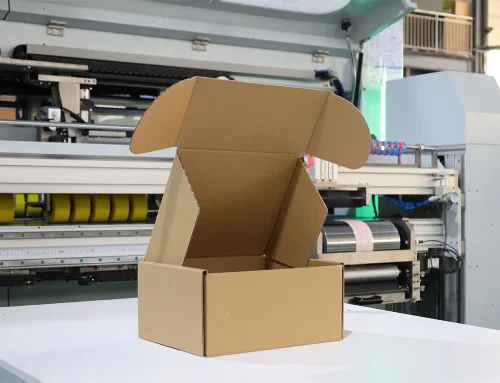
Right-sized corrugated packaging means selecting or producing a box that closely matches the dimensions, protection requirements and handling conditions of the packaged product.
It does not necessarily mean producing the smallest possible box.
A suitable packaging design must still provide:
- Sufficient product protection
- Space for cushioning where necessary
- Appropriate stacking strength
- Suitable board grade and flute type
- Efficient packing and transportation
- Acceptable handling during storage and delivery
The objective is to avoid unnecessary packaging volume while maintaining the required packaging performance.
Why Is Right-Sized Packaging Receiving More Attention in 2026?
Traditional packaging operations often depend on a fixed inventory of standard box sizes.
This model works well for stable, repetitive orders. However, it becomes less efficient when a company manages:
- Many product dimensions
- Frequent order changes
- Small production batches
- Large or irregular products
- Customized industrial packaging
- Short delivery deadlines
When the available box is much larger than the product, the company may need additional void fill and storage space. When the box is too small, the product may not receive sufficient protection.
Right-sized packaging provides a more flexible approach by producing the required box size according to the actual order.
PPWR and Packaging Empty Space
PPWR is one of the main reasons why packaging minimization has become a high-priority topic in Europe.
The regulation states that grouped, transport and e-commerce packaging will be subject to a maximum empty-space ratio of 50% from 1 January 2030, or three years after the relevant implementing act enters into force, whichever is later. The European Commission is expected to establish the calculation methodology before 12 February 2028.
The regulation also recognizes that packaging functionality and product protection must be considered. Irregular product shapes, technical requirements and necessary protective space will therefore be relevant when the detailed methodology is developed.
A box making machine alone does not guarantee regulatory compliance. Compliance depends on the final packaging design, product characteristics, applicable calculation rules and the company’s complete packaging process.
However, flexible box production can give manufacturers more options when reducing unnecessary packaging volume.
Limitations of Fixed-Size Box Inventory
A company using only pre-made standard cartons may need to keep many different box sizes in stock.
This can create several operational challenges:
- Large finished-box storage areas
- Capital tied up in packaging inventory
- Overstock of rarely used box sizes
- Shortages of the required size
- Excessive void fill when only oversized cartons are available
- Longer lead times for non-standard packaging
- Dependence on external suppliers for urgent custom boxes
For businesses handling high-mix and low-volume orders, maintaining a suitable carton for every possible product size is difficult.
On-demand production provides an alternative by converting corrugated board into the required box when an order is received.
How On-Demand Box Production Supports Right-Sized Packaging
An automatic box making machine can process different box dimensions and styles according to production orders.
Depending on the selected machine and configuration, the production workflow may include:
- Corrugated board feeding
- Slotting
- Slitting
- Creasing
- Cross cutting
- Handle-hole cutting
- Vibrating knife cutting
- Gluing
- Digital printing
This approach allows packaging manufacturers to produce small and medium batches without preparing traditional cutting dies for many common box styles.
The main operational benefits may include:
Flexible Box Dimensions
Different box dimensions can be entered according to each order, reducing dependence on a small number of standard carton sizes.
Short-Run Production
Packaging companies can respond to small orders without setting up a conventional high-volume production line.
Lower Finished-Box Inventory
Corrugated sheets or fanfold board generally require less organized storage than a large range of assembled or pre-converted cartons.
Faster Response to Custom Orders
Urgent or unusual packaging requirements can be evaluated and produced internally instead of waiting for an external box supplier.
More Consistent Production Data
Order dimensions can be entered manually or imported through supported barcode, QR-code or communication methods, depending on the machine configuration.
Sheet-Fed or Fanfold Box Production?
Both sheet-fed and fanfold systems can support flexible packaging production, but they are suitable for different workflows.
Sheet-Fed Box Making Machines
Sheet-fed machines process individual corrugated sheets.
They are generally suitable for packaging companies that need:
- Different corrugated board suppliers
- A wide range of board grades
- Large-format sheets
- Heavy-duty corrugated board
- Customized industrial packaging
- Different box structures
AOPACK BM2508-Pro is designed for scattered orders and low-to-medium-volume box production, with a maximum board width of 2500 mm and fast order changeover.
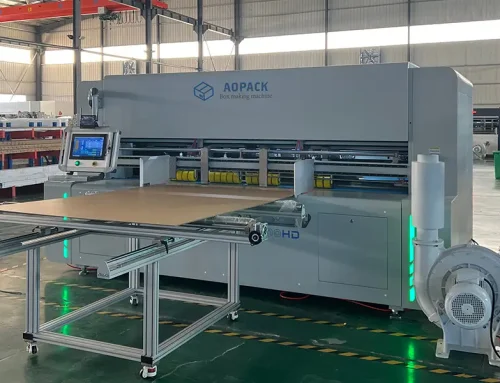
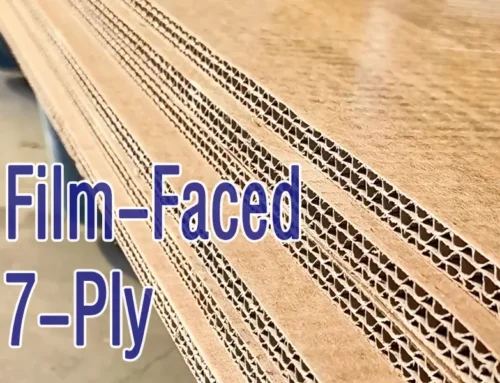
For large and heavy-duty corrugated boxes, BM3000-HD processes board from E flute to AAA, including 3-ply to 7-ply corrugated board, with a maximum board width of 3000 mm.
Fanfold Box Making Machines
Fanfold systems use continuously folded corrugated board and can be suitable for on-demand packaging operations that regularly produce different box sizes.
AOPACK FF2800 is designed for fanfold and Z-fold corrugated board production and can select from multiple fanfold board specifications according to the order requirement.
The correct solution depends on board sourcing, box dimensions, packaging strength, order frequency and production workflow.
Digital Printing and Right-Sized Boxes
Right-sized packaging may also require variable printed information.
Examples include:
- Product identification
- Order numbers
- Handling instructions
- QR codes
- Barcodes
- Customer logos
- Variable shipping information
BM2800-Ultra combines digital printing and corrugated box converting in one production system. It is designed for short-run printed packaging and customized orders requiring both printing and box production.
Digital printing can reduce the need to prepare printing plates for frequently changing short-run designs, although the final workflow and printing requirements should be confirmed before machine selection.
What Information Is Needed Before Choosing a Box Making Machine?
Before selecting a machine, packaging companies should evaluate:
- Maximum and minimum corrugated board dimensions
- Board thickness and flute type
- Required box styles or FEFCO codes
- Daily or monthly order quantity
- Number of size changes per shift
- Sheet-fed or fanfold board preference
- Digital printing requirements
- Vibrating knife cutting requirements
- Gluing and automation requirements
- ERP, barcode or QR-code integration requirements
Providing actual box drawings, product dimensions and board specifications helps the machine supplier recommend a more suitable configuration.
Right-Sized Packaging Is a Production Strategy, Not Only a Box Size
Right-sized packaging is not achieved simply by making every carton smaller.
A successful strategy must balance:
- Packaging material use
- Product protection
- Production efficiency
- Labor requirements
- Shipping and handling
- Storage space
- Regulatory requirements
- Total packaging cost
For some products, a standard carton may remain the most efficient solution. For other orders, flexible on-demand production can help reduce unnecessary packaging and respond more quickly to changing dimensions.
The best approach is usually a combination of standardized high-volume packaging and flexible production for customized or short-run orders.
Prepare Your Packaging Operation for Changing Requirements
PPWR and other packaging-minimization initiatives are encouraging companies to examine how their boxes are designed, stored and produced.
Packaging manufacturers do not need to wait until 2030 to review their current workflows.
They can begin by identifying:
- Frequently oversized cartons
- High levels of void fill
- Slow-moving box inventory
- Custom orders outsourced to other suppliers
- Product ranges with frequent size changes
- Packaging designs that require unnecessary material
A flexible box making machine can become part of a broader packaging strategy, but machine selection should always be based on actual production data and box requirements.
Need a Right-Sized Corrugated Box Production Solution?
AOPACK provides sheet-fed, fanfold, heavy-duty and digital-printing box making solutions for short-run, customized and on-demand corrugated packaging production.
Send us your box dimensions, corrugated board specifications, FEFCO codes, production quantities and required functions.
Our team will evaluate your requirements and recommend a suitable machine model and configuration.
Leave A Comment