
Corrugated boxes are one of the most widely used packaging solutions in the world. From e-commerce shipments to industrial logistics, they provide strong protection while remaining lightweight and cost-efficient. Because of their durability and recyclability, corrugated boxes have become the standard packaging choice for many industries.
For packaging manufacturers and factories, understanding the corrugated box manufacturing process is essential for improving production efficiency and maintaining consistent product quality. While modern equipment has greatly automated the workflow, the basic production principles remain the same.
This guide explains how corrugated boxes are manufactured, from raw materials to finished packaging products.
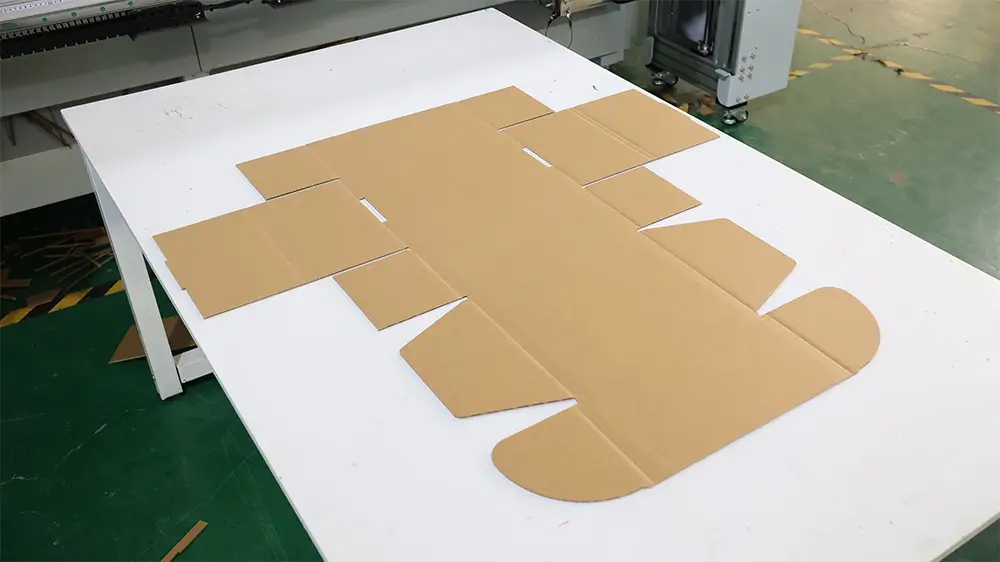
What Is a Corrugated Box?
A corrugated box is made from corrugated board, a type of engineered paperboard designed to provide strength and cushioning. Corrugated board typically consists of three layers:
- An outer linerboard
- A fluted corrugated medium in the middle
- An inner linerboard
The fluted layer creates a series of air pockets between the linerboards. These pockets provide structural strength and shock absorption, allowing corrugated boxes to protect products during transportation and storage.
Different flute profiles are used depending on packaging requirements. Common flute types include:
- A flute – excellent cushioning and stacking strength
- B flute – good crush resistance and printing surface
- C flute – balanced strength and cushioning
- E flute – thinner profile suitable for retail packaging
These variations allow manufacturers to produce corrugated boxes suited for different products and shipping conditions.
Main Raw Materials Used in Corrugated Box Production
The primary raw materials used in corrugated box manufacturing are paper-based materials designed for strength and durability.
Linerboard forms the outer surfaces of the corrugated board. It provides structural integrity and protects the box from external damage. Linerboard is often made from kraft paper, which is known for its strength and resistance to tearing.
Corrugated medium forms the fluted inner layer. This paper is specially designed to maintain its wave shape during the corrugating process.
Other materials used in production include:
- Starch-based adhesives, which bond the linerboard and medium together
- Water and heat, used during the corrugation process
- Printing inks, used for branding and product identification
These materials combine to create a durable, lightweight, and recyclable packaging solution.
Step-by-Step Corrugated Box Manufacturing Process
The corrugated box manufacturing process involves several stages, beginning with paper rolls and ending with finished packaging boxes ready for shipment.
1. Paper Roll Preparation
The process begins with large rolls of linerboard and corrugated medium paper. These paper rolls are loaded onto the corrugator machine, which feeds the materials into the production line.
Before entering the corrugating process, the paper may be preheated and conditioned to achieve the proper moisture level. This helps improve flexibility and bonding strength during manufacturing.
2. Corrugating the Medium
The corrugated medium is passed through heated corrugating rolls that form the characteristic wave-shaped flutes. These flutes are critical for creating the structural strength of corrugated board.
Heat and pressure are applied to shape the paper while maintaining the integrity of the material.
3. Bonding the Linerboard
After the flutes are formed, starch-based adhesive is applied to the tips of the flutes. The linerboard is then bonded to the corrugated medium to create a single-face board.
In many cases, an additional linerboard layer is added to produce double-face corrugated board, which is the most commonly used material for corrugated boxes.
This bonding process forms the basic corrugated sheet used in packaging production.
4. Cutting and Slotting
Once the corrugated board is produced, it moves to the converting stage where it is transformed into box shapes.
During this stage, machines perform several operations, including:
- Cutting the board to the required size
- Slotting openings for box flaps
- Creasing fold lines to allow easy box assembly
These steps determine the final structure and dimensions of the box.
5. Printing (Optional)
Many corrugated boxes include printed information such as company logos, product details, or handling instructions.
Printing is commonly done using flexographic printing, which allows high-speed printing directly on corrugated surfaces.
This stage is especially important for retail packaging, branded shipping cartons, and product identification in logistics systems.
6. Folding and Forming the Boxes
In the final stage, the cut and creased corrugated sheets are folded into box shapes. The flaps may be joined using adhesives, stitching, or tape depending on the box design.
Finished boxes are then stacked, bundled, and prepared for shipment or storage.
At this point, the corrugated boxes are ready to be used for packaging products.
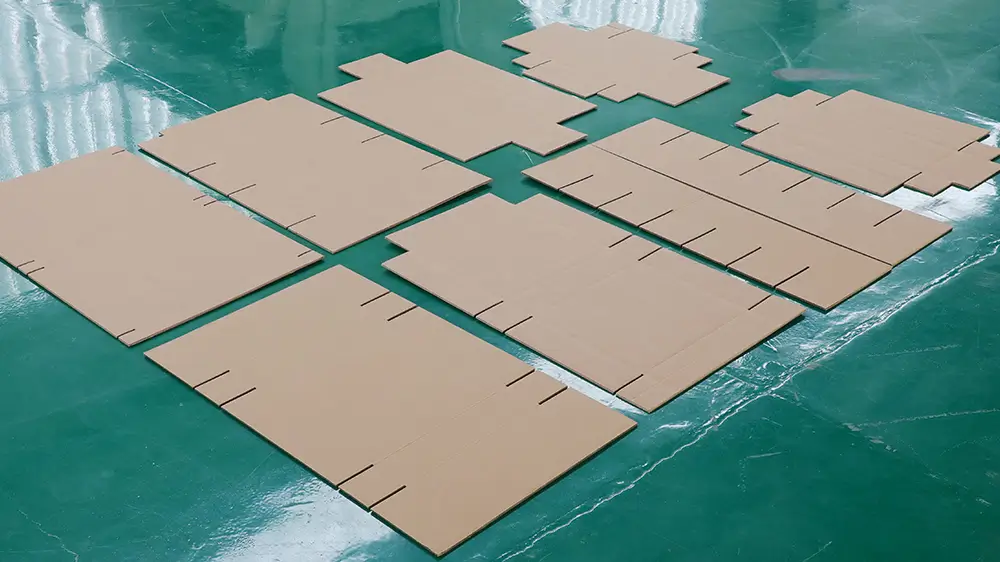
Different Types of Corrugated Boxes
Corrugated packaging can be produced in many different designs depending on the application.
Some of the most common box styles include:
Regular Slotted Container (RSC)
This is the most widely used shipping box design, commonly used for transportation and storage.
Die-Cut Boxes
These boxes are produced using specialized cutting dies that allow custom shapes and designs.
Custom Packaging Boxes
Many manufacturers produce customized boxes designed to fit specific products, reducing unused space and improving protection.
The ability to produce different box types allows packaging factories to meet a wide range of customer requirements.
How Automation Is Changing Corrugated Box Production
Modern packaging factories are increasingly adopting automated equipment to improve efficiency and reduce labor costs.
Traditional box manufacturing often requires multiple machines and manual handling between production stages. Today, many companies are implementing automatic box making machines that streamline several operations into a single production system.
Automation provides several advantages:
- Faster production speed
- Improved consistency and accuracy
- Reduced labor requirements
- Greater flexibility for customized packaging
In addition, automated solutions support on-demand box making, allowing factories to produce boxes in the exact size and quantity required.
This approach reduces inventory costs and improves overall packaging efficiency.
Benefits of Modern Box Making Machines
Modern box making machines provide significant advantages for packaging manufacturers.
These machines allow factories to:
- Produce boxes quickly and efficiently
- Adjust box sizes digitally for different products
- Reduce material waste
- Support right-sized packaging for logistics
As packaging demands continue to evolve, automated box production systems are becoming an important part of modern packaging operations.
FAQ About Corrugated Box Manufacturing
What are corrugated boxes made of?
Corrugated boxes are made from corrugated board, which typically consists of linerboard layers and a fluted corrugated medium in the middle.
Why are corrugated boxes widely used in packaging?
Corrugated boxes provide strong protection while remaining lightweight and cost-effective. They are also recyclable and suitable for many shipping and storage applications.
How are corrugated boxes manufactured?
The manufacturing process includes corrugating paper, bonding linerboard layers, cutting and slotting the board, printing, and finally folding the material into finished boxes.
What equipment is used in corrugated box production?
Production typically involves corrugator machines, cutting and slotting equipment, printing systems, and box forming machines.
Corrugated Box Production Solutions
As packaging demands continue to grow, many manufacturers are looking for more flexible and efficient ways to produce corrugated boxes.
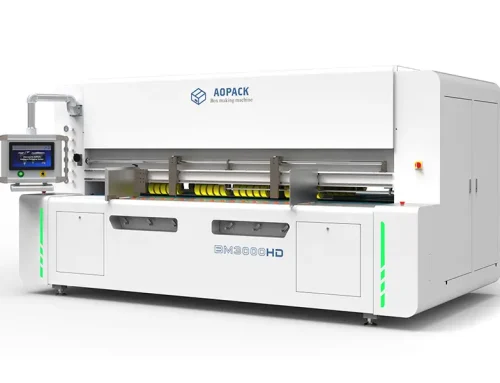
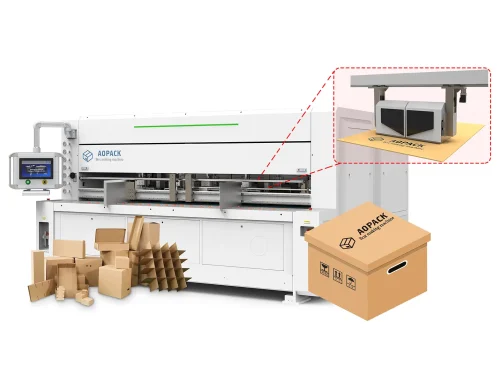
Aopack Ltd. develops automatic box making machines designed to help packaging factories produce corrugated boxes efficiently and flexibly. These machines support on-demand box production, allowing manufacturers to reduce packaging waste, improve operational efficiency, and quickly adapt to changing packaging requirements.
With advanced automation and reliable technical support, modern box making solutions help factories optimize their packaging processes while maintaining consistent product quality.
Leave A Comment